
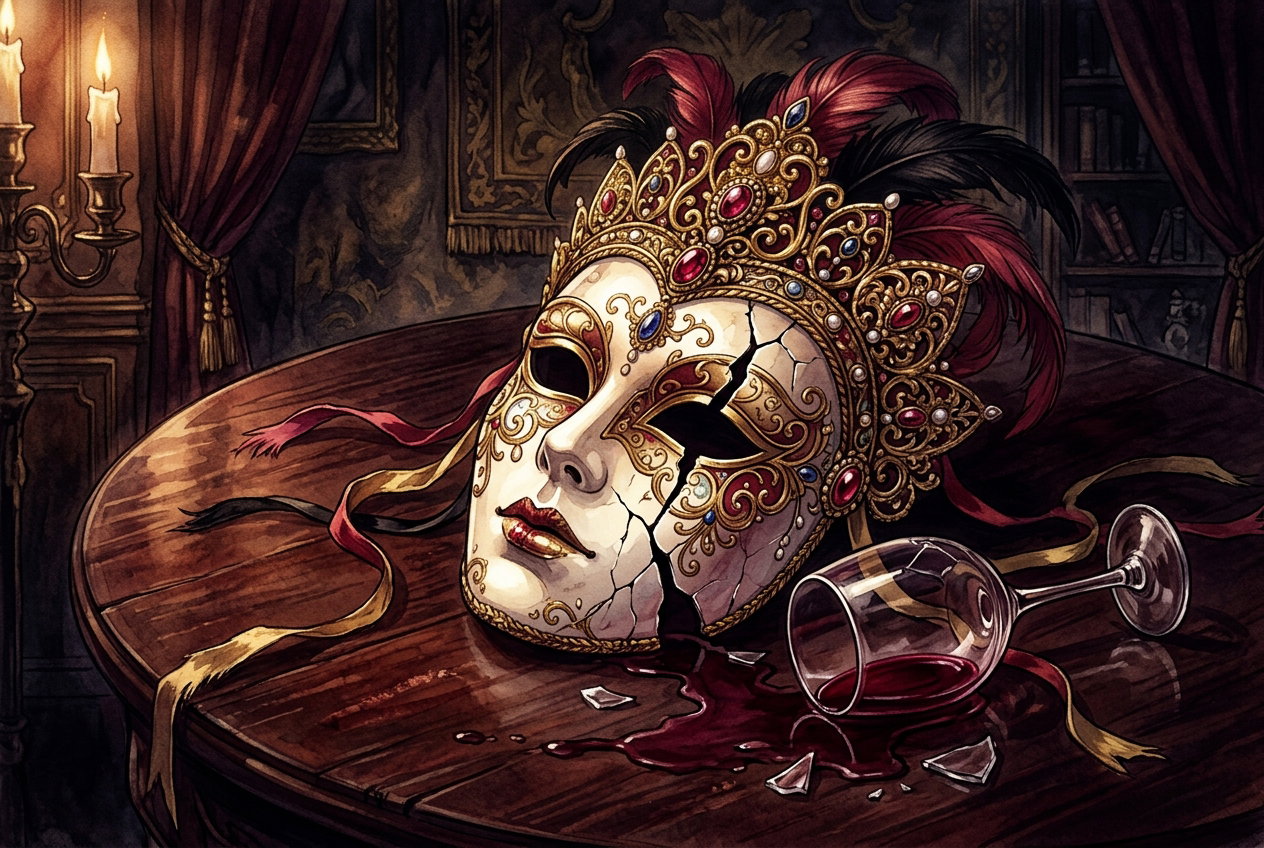
The Anatomy of Modern Drama Web Novels
Drama in the world of web novels is far more than just emotional conflict; it is the engine that drives character growth, fuels the fires of revenge, and creates the high-stakes tension that keeps readers turning pages late into the night. While traditional literature often focuses on subtle interpersonal shifts, modern web fiction elevates drama by weaving it into diverse genres like cultivation, transmigration, and post-apocalyptic survival. The core of a great drama novel lies in the weight of the choices characters must make when faced with impossible odds or betrayal.
The Weight of Destiny and Identity
One of the most profound ways drama manifests is through the struggle for identity and the burden of knowledge. In Omniscient Reader's Viewpoint, the drama is baked into the very fabric of the world. Kim Dokja is the only person who knows how the world ends, and that knowledge creates a crushing sense of responsibility and isolation. The interpersonal friction between him and the protagonist of the novel he once read creates a layered narrative where every action carries the weight of potential tragedy.
Similarly, Path of the Extra explores the psychological toll of being an outsider in a world designed for others. The drama here is internal and existential, focusing on a character trying to carve out a space for themselves when the narrative itself seems to reject their presence. These stories show that the most compelling drama often comes from a character's fight against a predetermined fate.
Romantic Intrigue and Hidden Identities
Romance and drama are inseparable in web novels, often utilizing tropes of concealment and societal pressure to heighten the emotional stakes. The Duke's Masked Wife serves as a masterclass in tension, where secrets and masks—both literal and metaphorical—prevent true connection. The drama is driven by the fear of exposure and the slow, agonizing burn of unspoken feelings within a rigid social hierarchy.
In the urban setting, Full Marks Hidden Marriage: Pick Up a Son, Get a Free Husband uses the concept of a secret life to create constant narrative friction. The protagonist must navigate the cutthroat world of the entertainment industry while managing a complex, hidden family life. This dual-identity drama is also central to My Secret Billionaire Husband, where the disparity between appearance and reality leads to misunderstandings that test the limits of trust and love.
Rebirth, Revenge, and Second Chances
The trope of reincarnation or rebirth provides a unique foundation for drama by giving characters a chance to right past wrongs. Rebirth: Splendid Marriage in the 80s focuses on the domestic and social challenges of a previous era, using the protagonist's future knowledge to navigate family politics and economic shifts. The drama is grounded in the struggle for independence and the desire to protect loved ones who were lost in a previous life.
For those who prefer a more aggressive take on the rebirth narrative, Reincarnation Of The Businesswoman At School combines the pressures of student life with the high-stakes world of corporate warfare. The drama stems from the protagonist's cold-blooded efficiency as she dismantles her enemies while maintaining the facade of a teenager. This contrast between her inner maturity and external circumstances creates a constant sense of suspense.
Survival and Ambition in Harsh Worlds
Drama isn't limited to tea rooms and boardrooms; it thrives in the most desolate environments. Ice Age Apocalypse: I Hoard Billions of Supplies shifts the focus to the raw drama of human nature under pressure. When the world freezes over, the true self of every character is revealed, leading to betrayal, desperation, and the harsh ethics of survival.
Ambition also serves as a potent source of conflict. In From Bullets To Billions and Rebirth: Super Banking System, the drama is found in the volatile world of finance and power. These stories emphasize the psychological toll of the climb to the top, where every success earns a new enemy and every failure could mean total ruin. The drama here is fast-paced and intellectual, focusing on strategy and the ruthless pursuit of wealth.
The Emotional Core of Cultivation
Cultivation novels are often categorized as pure action, but the best of them, like A Regressor’s Tale of Cultivation, are deeply dramatic. This subgenre explores the loneliness of immortality and the repetitive cycle of loss that comes with living many lives. The drama is found in the protagonist's exhaustion and their desperate search for meaning in a world that values power above all else.
Classic examples like Dragon-Marked War God and Peerless Martial God utilize external drama—sect rivalries, family betrayals, and the arrogance of the powerful—to drive their plots. The drama acts as a catalyst for the protagonist's growth, ensuring that every breakthrough in power level is earned through emotional or physical suffering.
Humor and Heart in Unexpected Places
Not all drama is heavy or tragic. Some novels use comedy and unique hooks to explore interpersonal relationships. After Transmigrating as a Tycoon’s Wife, My Thoughts Are Heard by the Whole Family features a protagonist whose internal monologues are accidentally broadcast to her family. The drama is lighthearted but effective, focusing on the awkwardness of vulnerability and the slow melting of cold hearts.
Similarly, From Thug to Idol: Transmigrating to a Survival Show finds its drama in the clash of cultures and expectations. The protagonist must shed his rough persona to succeed in the polished, artificial world of idol trainees. The friction between his true nature and the image he must project provides a compelling narrative arc about transformation and the search for authentic self-expression.
Why Drama Remains the Heart of Fiction
Whether it is the epic scale of a world-ending apocalypse or the intimate silence of a fractured marriage, drama is what makes readers care about the outcome. It provides the stakes that make a protagonist's victory feel earned and their losses feel personal. By exploring these diverse titles, readers can see how drama adapts to any setting, proving that human emotion and conflict are the most universal themes of all.
- Historical and social hierarchies create high-tension romantic conflicts.
- Rebirth and transmigration allow for complex revenge and redemption arcs.
- Action-oriented genres like cultivation rely on emotional stakes to ground their power systems.
- Survival scenarios test the morality and limits of human connections.