
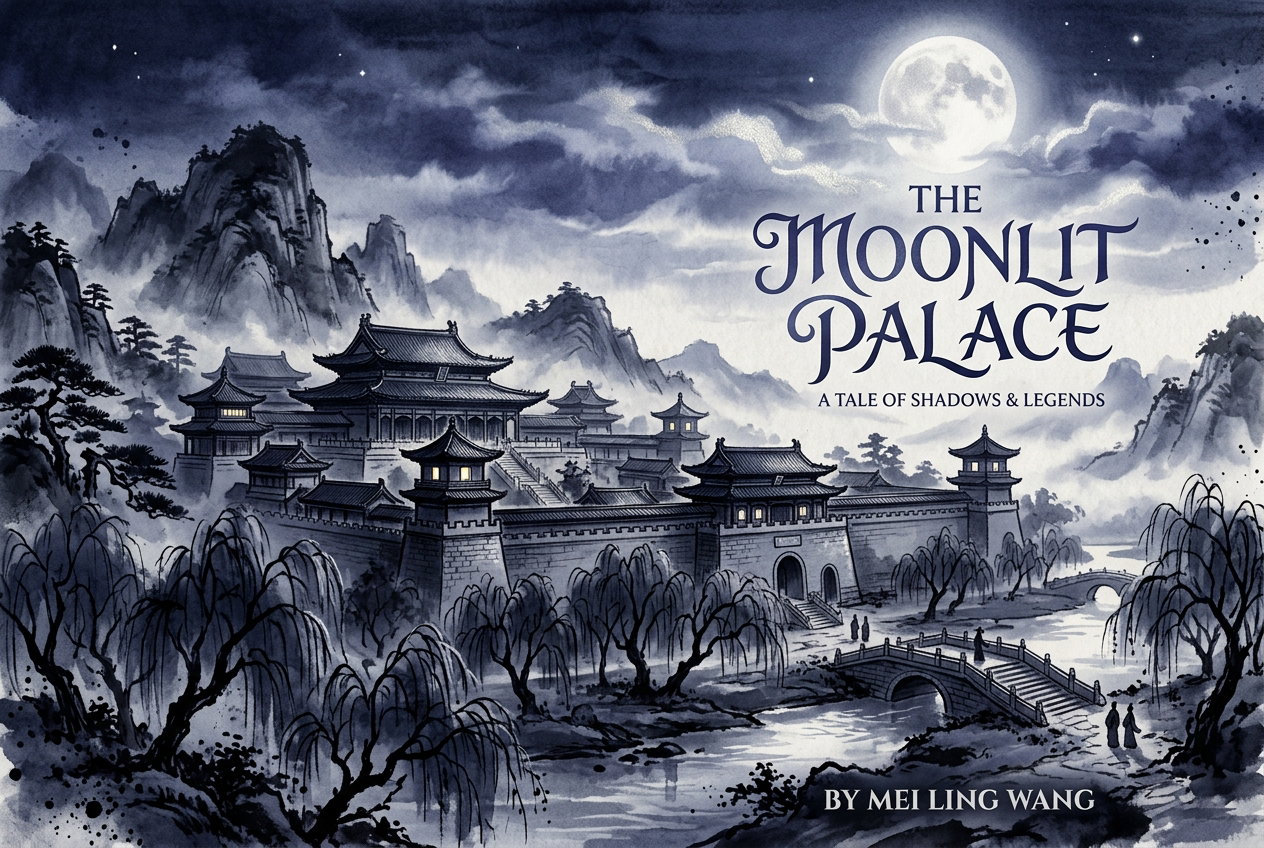
The Allure of the Past in Web Novels
Historical web novels offer a unique blend of escapism and tactical depth that few other genres can match. Whether set in a meticulously researched reimagining of ancient China or a fictionalized European-inspired duchy, these stories thrive on the high stakes of court politics, the complexities of social hierarchies, and the tension of forbidden romance. In these narratives, a single whispered word in a palace corridor can be more lethal than a thousand swords on a battlefield. Readers are drawn to the intellectual satisfaction of seeing a protagonist navigate rigid social structures using modern knowledge, medical expertise, or sheer political cunning.
What distinguishes the historical subgenre within the web novel medium is its flexibility. It often intersects with transmigration tropes, where a modern-day expert—be it a doctor, a military strategist, or a gourmet chef—wakes up in a body from a bygone era. This clash of eras provides a fertile ground for conflict and innovation, as characters attempt to revolutionize industry or medicine while trying to survive the lethal whims of emperors and aristocrats.
Kingdom Building and Industrial Revolution
For readers who enjoy the macro-scale of history, kingdom building is a cornerstone of the genre. These stories focus on the logistical and technological advancements required to turn a failing territory into a global superpower. In Tyranny Of Steel, the narrative leans heavily into the gritty reality of military modernization and industrial expansion. It is a tale for those who appreciate the technical details of forging an empire from the ground up, where gunpowder and steel redefine the boundaries of a medieval world. The protagonist's journey is one of ruthless efficiency and strategic dominance, reflecting the often harsh nature of historical consolidation.
Similarly, Iron Dynasty captures the essence of a nation in flux. It explores the intersection of traditional governance and the relentless march of progress. These novels aren't just about battles; they are about the infrastructure of power—how supply lines, manufacturing, and legal reforms can be just as impactful as a well-placed assassin. The satisfaction comes from watching a chaotic world slowly succumb to the order and ingenuity of a visionary leader who refuses to be bound by the limitations of their time.
The High Stakes of Palace Politics
If kingdom building focuses on the borders of a country, palace intrigue focuses on the heart of the capital. The royal court is a den of vipers where every smile hides a dagger. In Ministers Begging Me to Ascend the Throne, the narrative flips traditional tropes on their head. Instead of the usual desperate scramble for power, the story navigates the humorous and high-stakes pressure of a protagonist who finds themselves essentially forced into leadership by a relentless bureaucracy. It highlights how power is often a burden as much as a prize, and the political maneuvering required to manage a court full of ambitious officials.
Survival in the palace often requires more than just political acumen; it requires information. This is perfectly exemplified in Daily Intelligence System: Don't Kill Me, Honey!. By introducing a system element into a historical setting, the story provides a unique lens through which the protagonist can navigate deadly social minefields. Knowing the secrets of every concubine, general, and prince becomes a survival tool in a world where the wrong bow or a misplaced comment can lead to execution. It combines the tension of a thriller with the aesthetic beauty of a period drama.
Medical Expertise and the Divine Doctor Trope
A recurring and beloved theme in historical novels is the 'Divine Doctor.' Typically featuring a female lead who was a top-tier surgeon or toxicologist in the modern world, these stories follow her as she uses her 'miraculous' skills to gain standing in a society that initially underestimates her. In The Emperor Wants To Marry The Doctor, medical skill becomes a gateway to the highest echelons of power. When the protagonist can cure what the imperial physicians cannot, she becomes an indispensable asset to the most powerful man in the empire, shifting the power dynamic from one of subjugation to one of mutual necessity.
This trope reaches its peak in The Little Darling Wife Who is a Divine Doctor Saved the Entire Family of the Duke's Mansion. Here, the scope of medical intervention expands beyond a single patient to the salvation of an entire noble house. It is a story of domestic protection and familial restoration, where the protagonist uses her knowledge to shield her loved ones from both physical ailments and the political schemes of their rivals. It highlights the protective power of intelligence and the way professional expertise can dismantle the most entrenched social barriers.
Romance and Identity in the Nobility
At its core, many historical novels are explorations of identity and the masks people wear to survive. In The Duke's Masked Wife, the title itself suggests the layers of deception inherent in aristocratic life. Romance in these settings is rarely straightforward; it is complicated by arranged marriages, bloodline purity, and the constant surveillance of the court. The chemistry between leads is often built on a foundation of mutual secrets and the slow peeling back of social personae.
The complexity of these relationships is further explored in Transmigrated As My Former Uncle's Sweetheart. This novel deals with the intricacies of social standing and the awkward, often dangerous, shifts in family dynamics that occur during transmigration or rebirth. It plays with the boundaries of what is socially acceptable, using the rigid rules of the past to create high-tension romantic scenarios that wouldn't exist in a modern setting. The stakes are heightened because a scandal doesn't just mean social embarrassment—it can mean ruin for an entire lineage.
Domestic Life and Culinary Arts
Not every historical novel is about the fate of an empire. Some of the most charming and popular stories focus on the 'slice-of-life' aspects of the past, particularly food and farming. A Foodie Transmigrated into the Palace focuses on the sensory details of ancient life. The protagonist uses her culinary skills to navigate the harem or the court, proving that the way to power—and survival—is often through the stomach. These novels provide a lush, detailed look at historical culture, from the preparation of rare teas to the etiquette of imperial banquets.
For those who prefer the countryside to the capital, General, Your Wife Is Requesting Your Return Home For Farming offers a refreshing change of pace. It focuses on the 'return to the roots' trope, where the protagonist seeks a peaceful life away from the chaos of war and politics. Of course, when your husband is a general, peace is hard to come by. The story balances the humble joys of agriculture and domestic management with the looming shadows of the protagonist's past, creating a grounded yet engaging narrative about building a home in an unstable world.
Darker Tones and Supernatural Elements
Occasionally, the historical genre dips its toes into the gothic or the supernatural, adding a layer of mystery to the period setting. Witch's Daughter And The Devil's Son blends historical social structures with dark fantasy elements. It explores the prejudices of the past through a supernatural lens, where the leads are outcasts not just because of their social standing, but because of their very natures. This adds an extra dimension to the typical historical conflict, as the characters must fight against both human cruelty and otherworldly threats. The atmosphere is heavier, the romance more desperate, and the world-building shifts from the palace floor to the haunted woods and dark cathedrals of a world that fears what it does not understand.
Why Historical Novels Persist
The enduring popularity of historical novels lies in their ability to reflect modern struggles through a distant lens. Whether it is a woman fighting for her voice in a patriarchal court or a commoner revolutionizing an industry, these themes resonate with contemporary readers. We see our own desires for agency, justice, and love reflected in the struggles of those wearing silk robes and carrying jade pendants. By reading these stories, we aren't just looking back at the past; we are exploring the timeless nature of human ambition and the enduring power of the human spirit to thrive in any era.
- Kingdom building novels offer a sense of progression and grand-scale strategy.
- Palace intrigue stories provide high-stakes drama and intellectual puzzles.
- Medical and culinary historicals focus on expertise and social climbing through skill.
- Romance in this genre is defined by social constraints and deep, secret connections.